How to Invest in the Financial Market the Right Way
Key takeaway
Investing well is an order of operations, not a stock tip: clear expensive debt, build a cash buffer so you are never a forced seller, define the horizon, choose an allocation that matches it, and only then select instruments. Most avoidable losses trace back to skipping one of the first three steps.

Investing in the financial market can seem daunting, but with the right approach and knowledge, it can be a rewarding venture. This guide on “How to invest in the financial market the right way” will walk you through the essential steps and strategies to make informed investment decisions and achieve your financial goals.
Introduction
Investing in the financial market is a powerful tool for building wealth, but it requires a clear understanding of the market dynamics and a disciplined approach. If you’re wondering how to invest in the financial market the right way, you’re in the right place. This guide aims to demystify the process and provide you with practical tips to navigate the market successfully.
Understanding the Financial Market
What is the Financial Market?
The financial market encompasses a wide range of platforms where people buy and sell financial securities, commodities, and other fungible items of value at low transaction costs. These include stock markets, bond markets, forex markets, and more.
Why Invest in the Financial Market?
Investing in the financial market offers several benefits:
- Wealth Growth: Historical data shows that financial markets tend to grow over time, offering potential for significant returns.
- Passive Income: Dividends from stocks and interest from bonds provide a steady income stream.
- Inflation Hedge: Investments often outpace inflation, preserving your purchasing power.
How to Start Investing in the Financial Market
1. Define Your Investment Goals
Before diving into the market, it’s crucial to have clear investment goals. Are you saving for retirement, a down payment on a house, or building an emergency fund? Defining your goals will help determine your investment strategy and risk tolerance.
2. Educate Yourself
Knowledge is power when it comes to investing. Learn about different types of investments, market terminology, and investment strategies. There are numerous resources available online, including courses, webinars, and articles from reputable sources.
3. Choose the Right Investment Account
Selecting the appropriate investment account is essential. Options include:
- Brokerage Accounts: These are general accounts for buying and selling securities.
- Retirement Accounts: Accounts like IRAs and 401(k)s offer tax advantages for retirement savings.
- Education Accounts: 529 plans are designed for saving for education expenses.
4. Develop a Diversified Portfolio
Diversification is key to managing risk. A well-diversified portfolio includes a mix of asset classes such as stocks, bonds, and real estate. Diversification helps mitigate the impact of poor performance in any single investment.
5. Regularly Review and Rebalance Your Portfolio
The financial market is dynamic, and your investment portfolio should reflect your current goals and market conditions. Regularly reviewing and rebalancing your portfolio ensures it stays aligned with your investment strategy.
Investment Strategies for Success
1. Dollar-Cost Averaging
Dollar-cost averaging involves regularly investing a fixed amount of money, regardless of market conditions. This strategy reduces the impact of market volatility and lowers the average cost per share over time.
2. Value Investing
Value investing focuses on buying undervalued stocks with strong fundamentals. Investors look for companies trading below their intrinsic value, with the potential for growth.
3. Growth Investing
Growth investing targets companies expected to grow at an above-average rate compared to other companies. These investments might not offer immediate returns but have the potential for substantial long-term gains.
4. Dividend Investing
Dividend investing involves buying stocks that pay regular dividends. This strategy provides a steady income stream and can be particularly appealing for retirees.
Managing Risks in the Financial Market
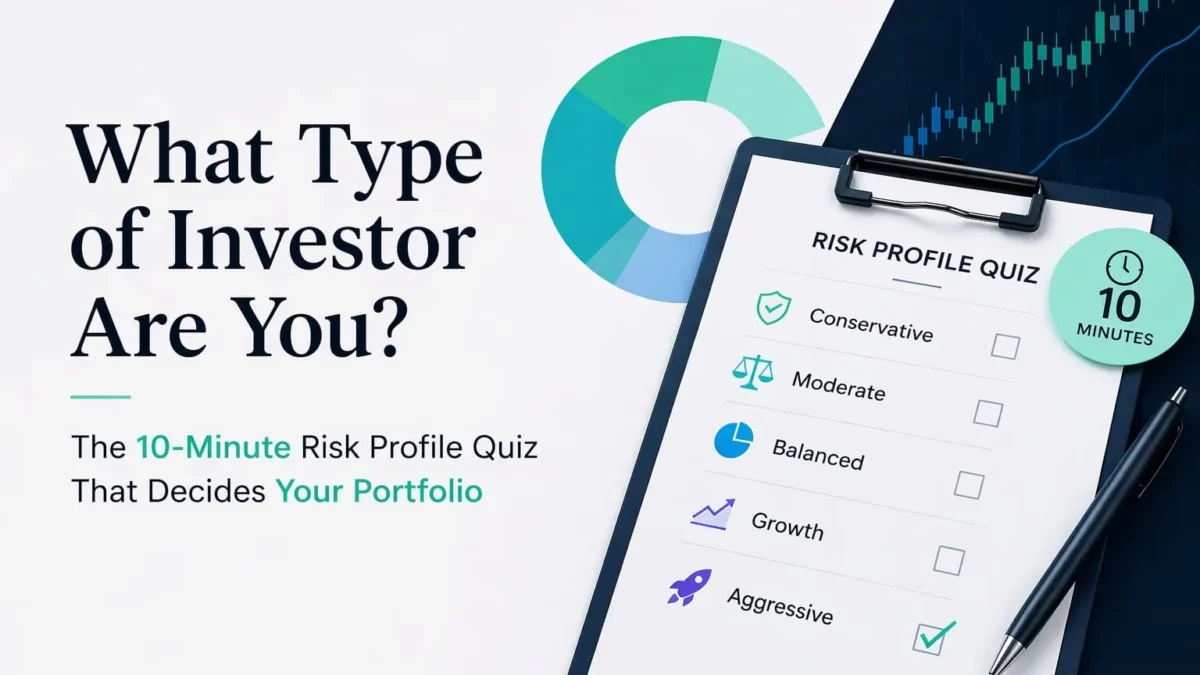
1. Understand Your Risk Tolerance
Your risk tolerance depends on your financial situation, investment goals, and personality. Assessing your risk tolerance helps you choose investments that match your comfort level.
2. Stay Informed
Keeping up with market trends, economic indicators, and company news helps you make informed investment decisions. Subscribe to financial news outlets and consider using financial analysis tools.
3. Avoid Emotional Investing
Emotional investing, driven by fear or greed, can lead to poor decision-making. Stick to your investment strategy and avoid making impulsive moves based on short-term market fluctuations.
Conclusion
Investing in the financial market the right way involves a combination of education, strategy, and discipline. By defining your goals, diversifying your portfolio, and staying informed, you can navigate the market with confidence. Remember, investing is a long-term journey, and patience is key to achieving your financial objectives.
Frequently asked questions
How do I start investing?
In order, and the order matters more than the instruments. Clear expensive debt first, since paying 18% on a card beats any expected market return. Build a cash buffer so a bad month never forces a sale. Define when you need the money. Choose an allocation that matches that horizon. Only then pick instruments.
How much money do I need to start?
Less than most people think, because fractional shares and low-minimum funds removed the old barrier. The real constraint is cost as a proportion of the amount: fixed commissions and account fees that are trivial on a large balance are punitive on a small one, so a low-cost broker matters more at the start than later.
What should a beginner invest in?
Broad, low-cost, diversified funds are the default for a reason: they remove security selection from a decision you are not yet equipped to make, and their fees compound in your favour. Individual stocks, thematic funds and anything leveraged are decisions to postpone until the allocation and the buffer are in place.
Is now a good time to invest?
Almost always the wrong question, because it is unanswerable in advance and the honest one is different: is this money you can leave invested for the horizon your allocation assumes? If yes, the historical evidence favours investing rather than waiting. If no, the problem is the allocation, not the timing.
How much of my income should I invest?
Whatever you can sustain through a bad year without stopping, which is usually less than the ambitious figure and more than the comfortable one. Consistency beats size: a contribution you maintain for a decade outperforms a larger one abandoned after eighteen months.
What is the most common beginner mistake?
Starting with the instrument instead of the horizon. Someone who buys equities for money needed in two years has made an error no amount of good stock selection can repair, because the risk of having to sell on a fixed date is not compensated over that period.